What Are Superfoods & Why Antioxidants Matter?

Assorted antioxidant-rich superfoods like berries and greens

“Superfood” is a marketing term for nutrient-dense foods packed with bioactive compounds like polyphenols, carotenoids, omega-3s, and vitamins that offer antioxidant or anti-inflammatory benefits.

Quick Science: Antioxidants neutralize free radicals, unstable molecules that damage cells, contributing to aging and chronic diseases. A 2023 study linked high antioxidant intake to a 20% lower risk of cardiovascular disease (DOI: 10.1007/s00394-022-03018-1).

Key Antioxidant Families

  • Polyphenols: Flavonoids (berries, dark chocolate), stilbenes (resveratrol in grapes).
  • Carotenoids: Beta-carotene, lutein, zeaxanthin (carrots, sweet potatoes, spinach).
  • Vitamins C & E: Found in citrus, nuts, and seeds; protect against oxidative stress.
  • Omega-3 Fatty Acids: EPA/DHA in fatty fish and algae; reduce inflammation.

Important Caveat

High-dose antioxidant supplements may not provide the same benefits as whole foods and can sometimes be harmful (e.g., high-dose beta-carotene). A varied, food-first approach is safer and more effective due to synergistic nutrient effects.

Top Antioxidant-Rich Superfoods

These foods are rich in antioxidants and easy to incorporate. Click to explore their benefits and visuals.

Berries are packed with anthocyanins and vitamin C, supporting vascular health, cognition, and skin health. Frozen berries retain similar antioxidant levels to fresh.

Assorted berries Blueberries

Rich in lutein, zeaxanthin, and vitamins A, C, K, leafy greens support eye health, bone strength, and gut health via fiber.

Kale salad Spinach leaves

Provide vitamin E, polyphenols, magnesium, and ALA omega-3s. They support heart and brain health while adding satiety.

Assorted nuts Chia seed jar

Catechins (EGCG) in green tea and matcha offer metabolic and cardiovascular benefits. Matcha has higher concentrations due to whole-leaf consumption.

Green tea cup Matcha powder

Contain glucosinolates and sulforaphane, supporting detoxification and antioxidant defenses. Steam or roast to preserve nutrients and enhance flavor.

Broccoli Brussels sprouts

Omega-3s (EPA/DHA) reduce inflammation, complementing antioxidants. Aim for 2–3 servings/week; algae oils are a vegan alternative.

Cooked salmon Oily fish

Concentrated polyphenols (e.g., curcumin, cinnamaldehyde) provide antioxidant benefits in small doses. Pair turmeric with black pepper for better absorption.

Turmeric root Cinnamon sticks

Top 30 Antioxidant-Rich Foods

A quick-reference list of nutrient-dense foods to boost your antioxidant intake.

  1. Blueberries — Anthocyanins; brain and vascular health.
  2. Blackberries — High in fiber and vitamin C.
  3. Strawberries — Vitamin C and manganese.
  4. Raspberries — Ellagic acid for anti-inflammatory effects.
  5. Goji Berries — Zeaxanthin for eye health.
  6. Dark Grapes — Resveratrol; consume in moderation.
  7. Spinach — Lutein and zeaxanthin for eye health.
  8. Kale — Vitamin K and fiber.
  9. Swiss Chard — Betalains and vitamins.
  10. Broccoli — Sulforaphane for detoxification.
  11. Brussels Sprouts — Glucosinolates and vitamin C.
  12. Carrots — Beta-carotene for skin and eyes.
  13. Sweet Potatoes — Beta-carotene and fiber.
  14. Tomatoes — Lycopene; better absorbed with fats.
  15. Garlic — Organosulfur compounds for immunity.
  16. Turmeric — Curcumin; pair with black pepper.
  17. Cinnamon — Cinnamaldehyde for blood sugar support.
  18. Green Tea/Matcha — EGCG for metabolism.
  19. Walnuts — ALA omega-3 and polyphenols.
  20. Almonds — Vitamin E and magnesium.
  21. Chia Seeds — ALA and fiber.
  22. Flax Seeds — Lignans and omega-3s.
  23. Salmon/Mackerel — EPA/DHA for heart health.
  24. Sardines — Budget-friendly omega-3 source.
  25. Beans/Legumes — Polyphenols and fiber.
  26. Dark Chocolate (70%+) — Flavanols; consume moderately.
  27. Avocado — Healthy fats for nutrient absorption.
  28. Pomegranates — Punicalagins for heart health.
  29. Olive Oil (Extra Virgin) — Polyphenols and healthy fats.
  30. Mushrooms — Ergothioneine for cellular protection.
Practical: Use frozen berries, canned beans, and tinned fish for budget-friendly antioxidant sources.

How to Add More Antioxidant Foods

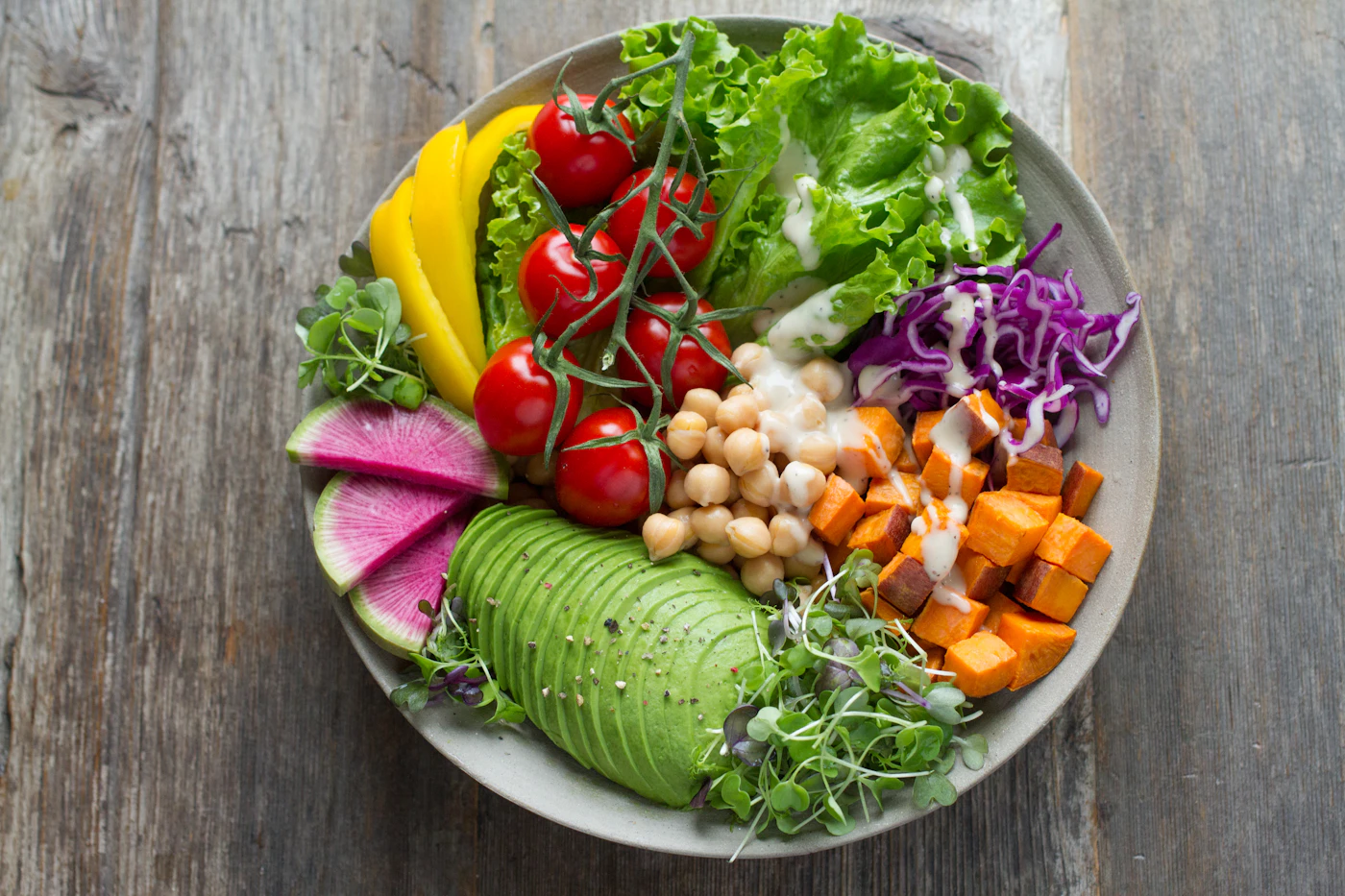
Colorful plate with antioxidant-rich foods

Incorporate these tips to boost antioxidant intake without overhauling your diet:

  • Breakfast Boost: Add frozen berries to oats or yogurt; sprinkle chia seeds for extra fiber.
  • Snack Swap: Replace chips with a handful of nuts and an apple or orange.
  • Spice It Up: Use turmeric with black pepper in soups; add cinnamon to coffee or oats.
  • Tea Time: Swap one daily coffee for green tea or matcha for a catechin boost.
  • Colorful Plates: Aim for a “rainbow” of produce daily to diversify antioxidants.
  • Batch Prep: Roast vegetables with olive oil and herbs for easy side dishes.
Tip: Start with one antioxidant-rich food per meal this week to build sustainable habits.

Recipes — Antioxidant-Rich Meals

These recipes are simple, scalable, and packed with superfoods to make healthy eating delicious.

Berry overnight oats
BreakfastBerry Overnight Oats

Prep: 5 min | Chill: 4+ hours | Serves: 1

Ingredients: 50 g rolled oats, 180 ml milk (or plant-based), 100 g Greek yogurt, 80 g mixed berries, 1 tbsp chia seeds, 1 tsp honey (optional).

Method: Mix oats, milk, yogurt, and chia in a jar. Refrigerate overnight. Top with berries and honey before serving.

Macros (approx.): 20 g protein, 45 g carbs, 10 g fat.

Salmon grain bowl
LunchSalmon & Rainbow Grain Bowl

Prep: 20 min | Serves: 2

Ingredients: 200 g baked salmon, 100 g quinoa, 100 g spinach, 50 g red cabbage, ½ avocado, 2 tbsp lemon-tahini dressing.

Method: Cook quinoa; bake salmon at 200°C (400°F) for 12–15 min. Assemble with veggies and drizzle with dressing.

Macros (approx.): 30 g protein, 35 g carbs, 15 g fat.

Turmeric lentil stew
DinnerTurmeric Lentil Stew

Prep: 30 min | Serves: 4

Ingredients: 200 g red lentils, 1 tsp turmeric, 2 garlic cloves, 1 onion, 100 g spinach, 400 g canned tomatoes, 1 tsp cumin, 1 tbsp olive oil.

Method: Sauté onion and garlic in oil; add spices, lentils, tomatoes, and 500 ml water. Simmer 20 min; stir in spinach for last 5 min.

Macros (approx.): 20 g protein, 40 g carbs, 10 g fat.

Matcha yogurt smoothie
SnackMatcha & Yogurt Smoothie

Prep: 5 min | Serves: 1

Ingredients: 200 ml milk, 100 g Greek yogurt, 1 banana, 1 tsp matcha powder, 1 tsp honey.

Method: Blend all ingredients until smooth. Serve chilled.

Macros (approx.): 15 g protein, 30 g carbs, 5 g fat.

Tip: Double recipes for batch cooking; store in airtight containers for up to 4 days in the fridge.
Diet Tracker Vitamin & Nutrition Tracker
antioxidant Tracker

7-Day Superfood-Focused Meal Plan

Weekly meal plan with superfoods

This flexible template emphasizes berries, greens, nuts, fish, and spices. Aim for 2–3 servings of berries, 3–4 servings of greens, and 2 servings of fatty fish weekly.

Day Breakfast Lunch Dinner
Day 1 Berry Overnight Oats Salmon & Rainbow Grain Bowl Turmeric Lentil Stew
Day 2 Green Smoothie (Spinach, Matcha, Banana) Chickpea Salad with Veggies Roasted Mackerel with Sweet Potato
Day 3 Greek Yogurt with Walnuts & Berries Broccoli & Quinoa Bowl with Avocado Grilled Chicken with Kale Salad
Day 4 Matcha & Yogurt Smoothie Tuna & Bean Salad with Spinach Vegetable Curry with Turmeric & Lentils
Day 5 Oats with Chia & Pomegranate Salmon & Spinach Wrap Brussels Sprouts & Quinoa Stir-Fry
Day 6 Greek Yogurt with Almonds & Grapes Kale & Sweet Potato Salad Baked Sardines with Roasted Veggies
Day 7 Berry & Chia Pudding Avocado & Black Bean Bowl Turmeric Chicken with Broccoli

Use frozen or canned options for budget-friendly meals. Adjust portion sizes based on your calorie needs.

Note: Rotate meals and vary produce based on availability and preference.

Research Notes & Safety

Epidemiological studies link high fruit and vegetable intake to lower risks of heart disease, cancer, and neurodegenerative disorders (DOI: 10.3390/nu15081841). Antioxidants like polyphenols and carotenoids show promise in cellular studies, but human benefits depend on whole-diet patterns.

Supplements — Proceed with Caution

High-dose antioxidant supplements (e.g., beta-carotene, vitamin E) have shown neutral or harmful effects in some trials (DOI: 10.1001/jama.297.8.842). Whole foods provide synergistic nutrients, making them safer and more effective.

Safety Tips

Takeaway: Focus on whole foods over supplements for sustainable antioxidant benefits.

FAQs

A marketing term for nutrient-dense foods with bioactive compounds like antioxidants (e.g., berries, kale, salmon). They’re beneficial but not “essential” — a varied diet is key.

No single food cures disease. Antioxidants reduce oxidative stress and inflammation, supporting overall health when part of a balanced diet (DOI: 10.3390/nu15081841).

Not always. Frozen berries, canned fish, and bulk legumes are budget-friendly. Shop seasonal produce and sales to save more.

Whole foods are safe, but high-dose supplements may disrupt natural antioxidant balance. Stick to food sources and consult a dietitian for guidance.